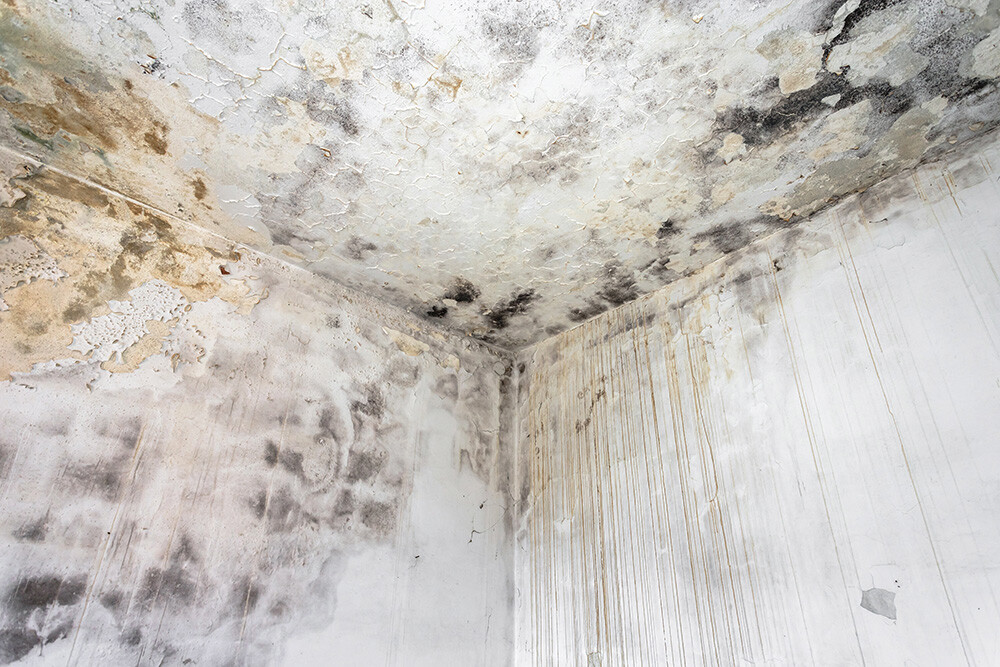
The mold remediation procedure is unique to each mold growth scenario. Different cases will mold removal Long Beach ca usually require other solutions. However, the fundamental mold remediation procedure covers:
Mold inspection and assessment: A careful inspection of the property is done to identify mold growth type and source. This is very important in determining the best approach for remediation.
Containment: Molds produce spores when they are triggered. These spores move in the air and can settle on other surfaces while they are being removed. As a result, expert mold remediation involves isolation of contaminated areas before cleaning or removal.
Cleanup and air filtration: Mold cleaning approach depends on its location. Molds on non-porous or semi-porous materials are often cleaned through a safe process that prevents spores’ release into the air.
Disposal or removal: The type of material on which the mold grows will determine if the disposal is required. When mold grows on porous material, removal is usually the chosen course of action.
Sanitization: Removal of mold-infested materials is often followed by thorough cleaning of all items affected, such as furniture, curtains, floors, walls, etc. This will also include deodorization and elimination of odors with the use of fogging equipment.
Preventative Recommendations: The final step in the mold remediation exercise is the preventive recommendation. These are steps suggested by the professionals to homeowners for the prevention of mold regrowth.
Mold remediation is incomplete without the recommendations from mold professionals on how mold problems will not reoccur in the future.
Post remediation inspection: after the remediation process has been concluded, a post clean up inspection is carried out to confirm the remediation’s success and verify the cleanup effect.
 Site Title
Leave a comment